It was not these excavations, however, that raised the attention of archaeological research, but some fortuitous events. In 1896 Baron Kálmán Miske, living in the neighbouring village Kõszeg, bought some bronze objects from a dairy-woman who came every day to his house from Velem. First the woman was reluctant to tell where the objects had come from, but later she revealed it. Today these bronze are considered part of the Ist depot of Velem. Due to this transaction, the hill of St. Vid in Velem has become a world-famous archaeological site.
From this year on, with varying intensity and with longer or shorter breaks, a number of excavations have taken place at the site till 1930. The name of collectors and archeologists in chronological order is worth mentioning here: Kelemen Kárpáti (1896), Count Rezsõ Széchényi (1896), Lajos Bella (1902,1922), Aurél Török (1902-1903), Baron Kálmán Miske (1896, 1898-1915, 1921-23, 1928), Ferenc Tompa (1921-1922, 1930), H. Bandat (1928). In 1929 the gold depot came to light, dated to Ha B - however lacking the details of information about its context.
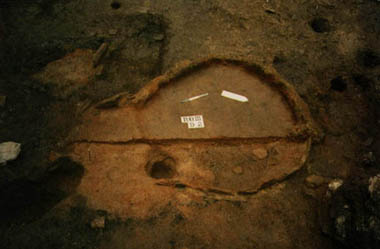
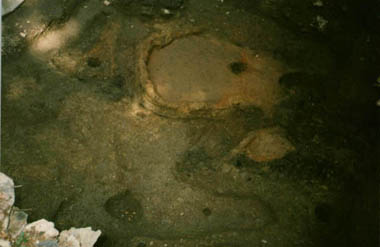
Between 1950-1961 another series of excavations were conducted by Gyula Nováki, András Uzsoki, Ervin Türr and Erzsébet Patek. Gyula Nováki and József Verõ made a modern magnetomethric survay, somewere south-east from 'the Scout-houses' (Cserkészház).
Though results of the century old research appeared in a lot of publications, only a fragments of the whole material is available for the scientists. Articles of Kelemen Kárpáti, a monograph and some articles of Kálmán Miske, some papers by Mária Károlyi, Gábor Bándi and Mária Fekete, and partial results of the French-Hungarian excavations are at the disposal of researchers and the public.Our aim is to provide an access and the enhancement of the whole material from Velem for the scientists'society, especially for the archaeologists. We would like to stress the importance of this project and draw the attention of scholars as well as would-be sponsors.